

Essential Tips for Adventure Photography: Mastering Adventure Photo Techniques

There’s something about the thrill of adventure that makes photography feel alive in a way that studio shots or posed portraits never quite capture. I remember the first time I trekked through a dense forest, camera slung over my shoulder, heart pounding not just from the climb but from the anticipation of capturing something raw and real. Adventure photography is a dance between patience and spontaneity, between preparation and embracing the unexpected. If you’ve ever found yourself fumbling with your camera while trying to capture that perfect moment on a rugged trail or a windswept cliff, you’re not alone. Over the years, I’ve gathered a few adventure photo techniques that have helped me turn fleeting moments into lasting memories, and I’m excited to share them with you.
Embracing the Spirit of Adventure Photo Techniques
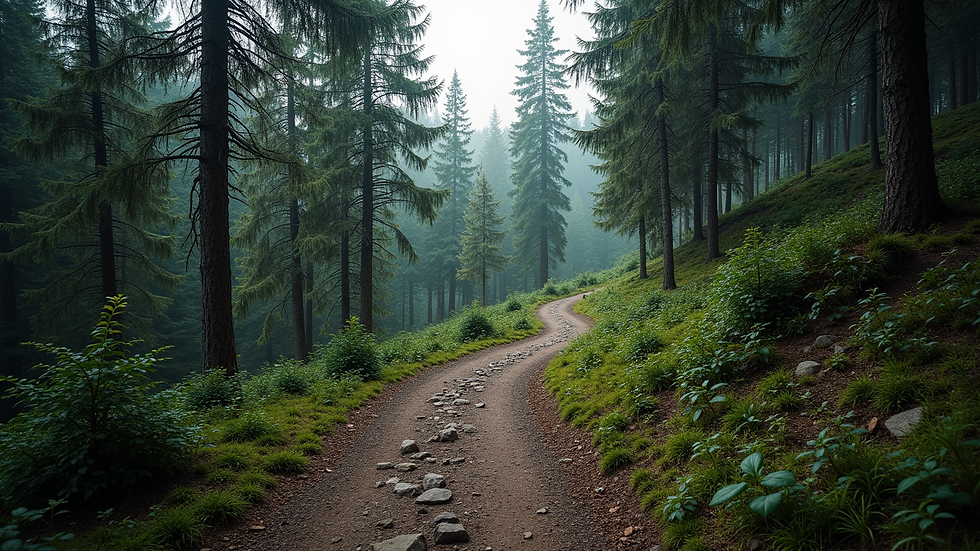
Adventure photography isn’t just about snapping pictures; it’s about telling a story that pulls the viewer into the scene. When I’m out in the wild, I try to think beyond the obvious shot. Instead of just capturing the breathtaking landscape, I look for the little details that whisper the story of the place - the way the light filters through the leaves, the texture of weathered rocks, or the subtle movement of clouds racing across the sky.
One of my favorite techniques is to use natural light to your advantage. Early mornings and late afternoons, often called the golden hours, bathe everything in a warm, soft glow that’s perfect for adventure shots. But don’t discount the moodiness of overcast days or the drama of stormy skies - sometimes, those conditions add a layer of emotion that bright sunshine just can’t match.
Here’s a quick tip: always carry a lens hood. It might seem like a small accessory, but it helps reduce lens flare and keeps your images crisp, especially when shooting in bright or unpredictable light.
What is the 50 50 Rule in Photography?
Now, you might have heard about the 50 50 rule in photography, and it’s a handy guideline that I often find myself coming back to, especially when framing shots in the wild. The rule is pretty straightforward: divide your frame into two equal parts, usually horizontally, and balance the elements accordingly. For example, you might place the horizon line right in the middle of the frame, giving equal weight to the sky and the land.
Why does this matter? Well, it’s all about balance and harmony. When you’re out in nature, sometimes the sky is just as captivating as the terrain below, and the 50 50 rule helps you showcase both without one overpowering the other. Of course, rules are meant to be broken, but understanding this principle gives you a solid foundation to experiment with composition.
I remember a trip to a remote lake where the water was so still it mirrored the mountains perfectly. By placing the horizon line smack in the middle, I captured a symmetrical reflection that felt almost surreal. It was one of those moments where the 50 50 rule worked like magic.
Gear Essentials for the Adventurous Photographer
Packing for an adventure shoot is a bit like preparing for a mini expedition. You want to be ready for anything but also keep your load manageable because, trust me, lugging around heavy gear while scrambling over rocks or hiking miles is no fun.
Here’s what I usually bring along:
A sturdy, weather-sealed camera body: Adventure photography often means exposure to dust, rain, and rough handling. A camera that can take a beating is worth its weight in gold.
Versatile lenses: A wide-angle lens (like a 16-35mm) is perfect for capturing sweeping landscapes, while a mid-range zoom (24-70mm) lets you get closer to details without changing lenses constantly.
Extra batteries and memory cards: Cold weather and long shooting sessions can drain batteries faster than you expect.
A lightweight tripod: For those moments when you want to slow down and capture long exposures or steady shots in low light.
Protective gear: Rain covers for your camera and backpack, plus a microfiber cloth to wipe off dust or moisture.
And here’s a little secret: sometimes the best camera is the one you have with you, even if it’s just your phone. I’ve captured some of my most spontaneous shots on a whim, using whatever was at hand.

Finding Your Unique Perspective in the Wild
One of the most rewarding parts of adventure photography is discovering your own voice through the lens. It’s easy to fall into the trap of replicating popular shots you see online, but the real magic happens when you bring your personal perspective to the scene.
Try to slow down and observe your surroundings. What draws your eye? Is it the way the sunlight hits a patch of wildflowers? The rugged texture of a cliff face? Or maybe the contrast between a tiny stream and the vastness of the valley below?
Don’t be afraid to get low to the ground or climb higher for a bird’s-eye view. Changing your angle can transform an ordinary scene into something extraordinary. I often find myself lying on the ground to capture the delicate details of moss or scrambling up a boulder to get a sweeping vista.
And remember, sometimes the best shots come from waiting patiently for the right moment - a gust of wind, a passing cloud, or a sudden burst of color from wildlife.
Practical Tips for Shooting in Challenging Conditions
Adventure photography often means dealing with unpredictable weather and tough environments. I’ve learned that preparation and flexibility are key to making the most of these challenges.
Protect your gear: Use waterproof bags and covers. If you’re shooting near water or in dusty conditions, be extra cautious.
Adjust your settings: In low light, bump up your ISO or open your aperture wider, but be mindful of noise and depth of field.
Use manual focus when needed: Sometimes autofocus struggles in low contrast or tricky lighting, so don’t hesitate to switch to manual.
Keep your hands warm and nimble: Cold fingers can make it hard to operate small buttons and dials. Fingerless gloves or hand warmers can be lifesavers.
Scout your location ahead of time: If possible, visit the spot before your shoot to plan your shots and identify safe paths.
One time, I was caught in a sudden rainstorm on a mountain ridge. Instead of packing up, I embraced the moment, capturing droplets clinging to spider webs and the mist rolling over the peaks. Those images ended up being some of my favorites because they told a story of resilience and beauty in adversity.
Adventure photography is a journey in itself - a blend of technical skill, creative vision, and a deep connection to the world around you. If you’re eager to dive deeper into this exciting field, I highly recommend exploring more adventure photography tips that can help you refine your craft and capture the spirit of your travels in unforgettable ways.
So next time you head out into the wild, remember to pack your curiosity, patience, and a sense of wonder. The world is full of stories waiting to be told through your lens.
Happy shooting!


Comments