

Master the Art of Adventure Photography: Techniques for Adventure Photography

There’s something about the thrill of adventure that makes photography feel alive in a way no studio shot ever could. I remember the first time I stood on the edge of a cliff, camera in hand, heart pounding not just from the height but from the sheer excitement of capturing a moment that felt utterly raw and untamed. Adventure photography is not just about snapping pictures; it’s about telling stories through your lens, stories that breathe the wild air, the grit of the trail, and the sparkle of unexpected moments. If you’ve ever wanted to master this art, join me as I wander through some of the techniques for adventure photography that have shaped my journey and might just inspire yours.
Embracing the Unexpected: Techniques for Adventure Photography
Adventure photography is a dance with unpredictability. Unlike controlled environments, nature and exploration throw curveballs - sudden weather changes, shifting light, or a fleeting animal crossing your path. The first technique I learned was to embrace the unexpected rather than fight it. This means being ready to adapt your settings, your composition, and sometimes even your plans.
For example, I once planned a serene sunrise shoot by a lake, only to be greeted by thick fog that blurred everything into a ghostly white. Instead of packing up, I switched to a wide aperture to capture the soft, diffused light and focused on close-up shots of dew-covered leaves. The result? A series of ethereal images that told a different story than I had imagined but were no less beautiful.
Some practical tips to keep in mind:
Carry versatile lenses: A zoom lens can save you when you can’t get physically close, while a wide-angle lens captures vast landscapes.
Use manual settings: Auto mode can be helpful, but manual control over shutter speed, aperture, and ISO lets you react to changing conditions.
Keep your gear protected: Weather-sealed cameras and waterproof bags are lifesavers when the adventure gets wet or dusty.
The Gear That Goes Beyond the Basics
I’m often asked what gear is essential for adventure photography. The truth is, it’s less about having the most expensive equipment and more about having the right tools for your style and environment. Over the years, I’ve learned to travel light but smart, balancing durability with functionality.
Here’s a rundown of what I consider must-haves:
A sturdy camera body - Something that can handle bumps and weather without complaint.
Lenses - A versatile zoom (24-70mm) and a wide-angle (16-35mm) cover most scenarios.
Tripod - Lightweight and compact, perfect for long exposures or steady shots in low light.
Extra batteries and memory cards - Adventure waits for no one, and running out of power or storage is a rookie mistake.
Protective gear - Rain covers, lens cloths, and a reliable camera bag.
But beyond gear, the most important tool is your mindset. Being patient, observant, and willing to get a little dirty or wet often leads to the most rewarding shots. Sometimes, the best photo is the one you didn’t plan for.
Finding Your Light and Composition in the Wild
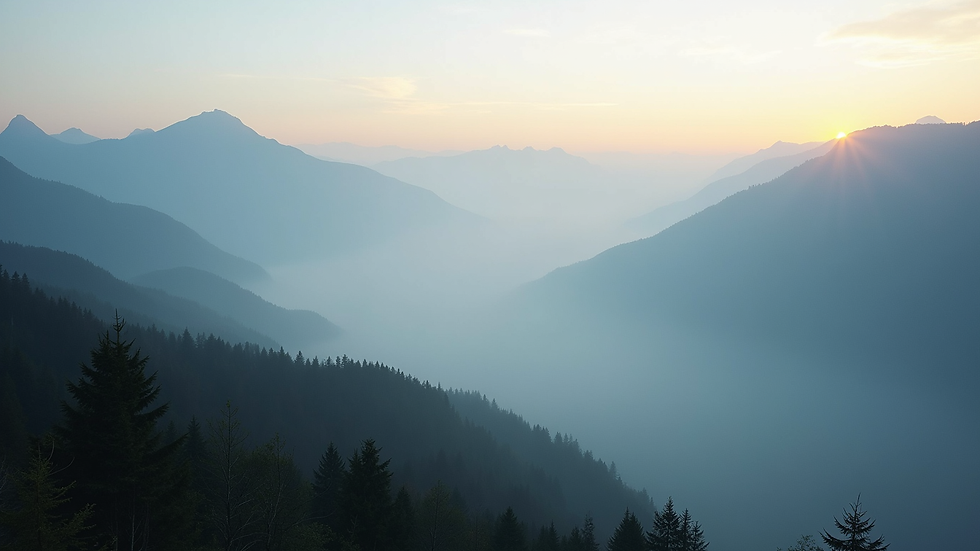
Light is the heartbeat of photography, and in adventure settings, it’s a fickle companion. I’ve learned to chase the golden hours - that magical time just after sunrise and before sunset when the light is soft, warm, and full of character. But sometimes, harsh midday sun or overcast skies offer their own unique opportunities.
When I’m out in the wild, I pay close attention to how light interacts with the landscape:
Shadows can add drama and depth.
Backlighting can create stunning silhouettes.
Reflections in water can double the beauty of a scene.
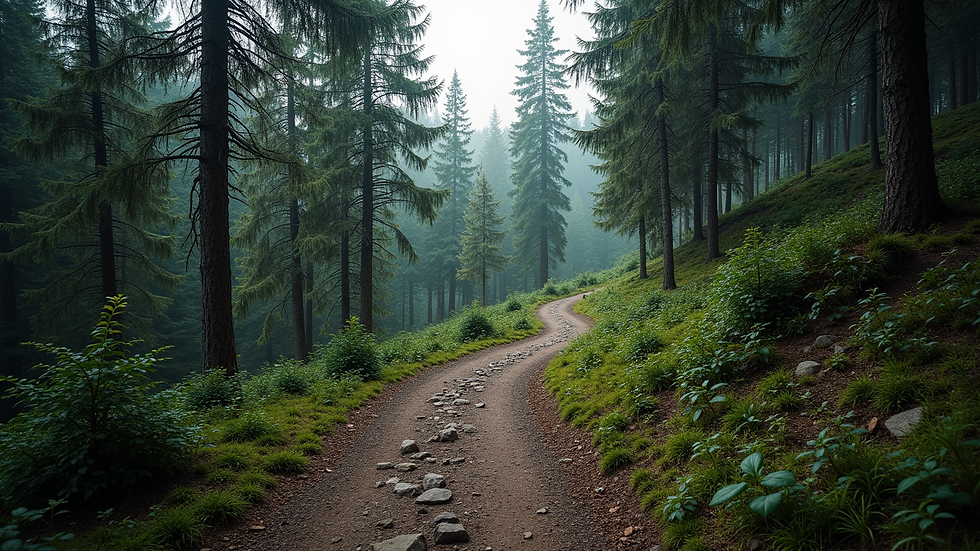
Composition is another playground. The rule of thirds is a trusty guide, but I often break it to center a striking mountain peak or a lone tree standing against the sky. Leading lines, like winding trails or rivers, draw the viewer’s eye into the frame and invite them to journey with you.
One trick I love is to include a human element - a hiker, a climber, or even just a pair of boots resting on a rock. It adds scale and a relatable story to the image.

Capturing Motion and Emotion: The Soul of Adventure Photography
Adventure is movement - the rush of wind, the splash of water, the leap over a stream. Capturing that motion can bring your photos to life in a way static landscapes cannot. I often experiment with shutter speeds to freeze action or create a sense of flow.
For example:
Use a fast shutter speed (1/1000 or faster) to freeze a mountain biker mid-air.
Slow it down (1/15 to 1/30) to blur rushing water, creating a silky effect.
Pan with a moving subject to keep them sharp while blurring the background.
Emotion is just as important. The look of awe on a climber’s face, the quiet contemplation of a traveler watching a sunset - these moments connect viewers to the experience. I try to be patient and unobtrusive, letting these genuine emotions unfold naturally.
If you want to dive deeper into adventure photography tips, there are plenty of resources that can help you refine your skills and find your unique voice.
The Journey Beyond the Frame
Adventure photography is more than just images; it’s about the stories behind them. Every photo I take is a chapter in a larger narrative of exploration, challenge, and discovery. Sharing these stories through my work is what drives me - hoping to inspire others to see the world with fresh eyes and a sense of wonder.
When you’re out there, camera in hand, remember that the best shots often come when you slow down and truly absorb your surroundings. Listen to the rustle of leaves, feel the texture of rocks, breathe in the crisp mountain air. Photography is not just about capturing what you see but what you feel.
So, pack your camera, lace up your boots, and set out on your own adventure. The world is waiting, and every moment is a chance to master the art of adventure photography in your own way.


Comments